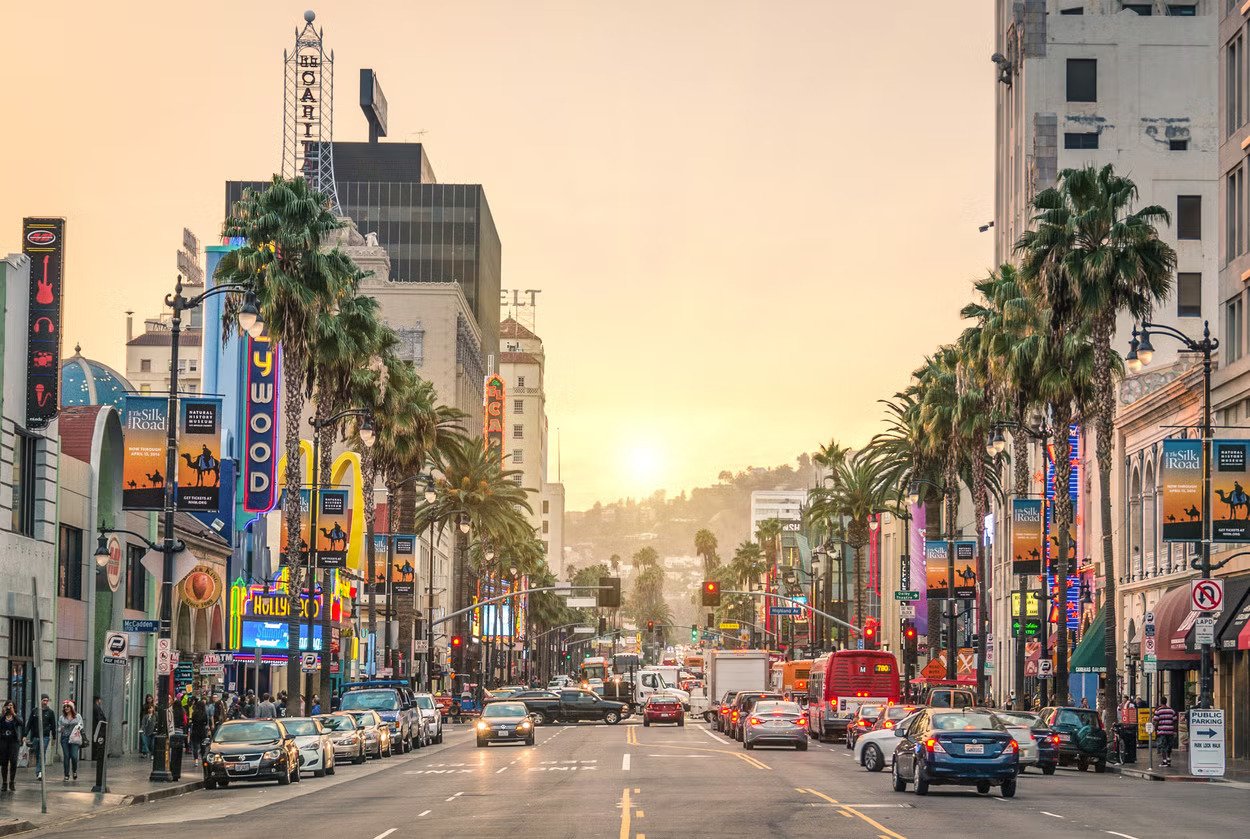
Traveling to the USA is an exciting adventure filled with diverse landscapes, vibrant cities, and a melting pot of cultures. From the iconic skyline of New York City to the breathtaking Grand Canyon in Arizona, there’s something for everyone. Explore famous landmarks like the Statue of Liberty, taste delicious food from around the world, and experience the friendly spirit of American people. Get ready for a journey full of fun, discovery, and unforgettable memories in the United States!
Choose the visa type that is right for you. Not sure? Just contact us let’s take you on a free 30 minutes online consultation.
This visa is for temporary visits, such as tourism (B-2) or business (B-1). It allows stays up to 6 months.
For those pursuing academic studies in the U.S. at an accredited institution. Students must maintain a full course of study.
Designed for skilled workers in specialty occupations. Employers sponsor applicants, allowing them to work for a specified period.
Facilitates cultural exchange programs, including students, scholars, and professionals. Participants return to their home countries after completion.
Intended for foreign fiancé(e)s of U.S. citizens. The purpose is to marry within 90 days of arrival and apply for a green card.
While not a visa, it grants permanent residency. Common avenues include family sponsorship, employment, or refugee/asylee status.
We do all the work because that’s what you paid for. We are very committed to meeting the expectations of every single client of ours and throughout the years, we have amassed a track record of excellence thanks to folks like you who believed in us.
1
Be specific about your intended travel destination. We offer visa assistance to over 22 countries so you have a good variety to choose from
2
Our team of experienced agents will do all the planning, including budgeting requirements, documentation, and time frame.
3
Pack your stuff, brace yourself, and enjoy your stay at the new place you call home. We cannot wait to get your testimony as you make this life-changing event.
Visa processing times vary by country and type. Typically, it ranges from a few weeks to a few months. Our team ensures a smooth and timely application process.
Budgets differ based on the destination and visa type. Unusual Tours provides transparent cost breakdowns, ensuring you understand all fees involved in your visa application.
Absolutely. We are committed to maintaining the highest standards of trust and confidentiality. Our experienced team guides you through the entire process, prioritizing your security and success.
No hidden fees. Unusual Tours believes in transparency. We provide a clear and detailed breakdown of all costs associated with your visa application upfront.
We offer a user-friendly online portal where clients can track the status of their visa applications in real-time. Regular updates are also provided via email or phone.
Certainly. Our dedicated team provides comprehensive support in gathering and preparing all necessary documents, ensuring your application meets the specific requirements of the destination country.
While our primary focus is visa services, we understands the challenges of relocation. We provide useful information and guidance on various aspects, including accommodation and adapting to your new environment.
The B-1/B-2 Visitor Visa is a non-immigrant visa category issued by the United States government for individuals seeking temporary entry into the country for business (B-1) or tourism and other non-business purposes (B-2). These visas are commonly referred to as “visitor visas” and are designed for individuals who wish to stay in the U.S. for a limited duration.
The B-1 Business Visitor Visa is intended for individuals traveling to the U.S. for business-related purposes, such as attending conferences, negotiating contracts, or participating in professional conventions. It does not authorize individuals to engage in gainful employment or long-term work in the U.S. Instead, it allows for short-term business activities.
On the other hand, the B-2 Tourist Visitor Visa is for those seeking entry into the U.S. for recreational purposes, such as tourism, visiting friends and family, or receiving medical treatment. Like the B-1 visa, the B-2 visa has restrictions on employment and is meant for temporary stays.
In many cases, individuals apply for a B-1/B-2 combination visa, allowing for both business and tourism activities during the same visit. Applicants are typically required to demonstrate their intent to return to their home country after their temporary stay in the U.S., and they must also provide evidence of their ability to financially support themselves during their time in the country.
The application process for a B-1/B-2 Visitor Visa involves submitting the necessary documentation, including a completed visa application form, proof of ties to the home country, and evidence of the purpose of the visit. Additionally, applicants may be required to attend a visa interview at a U.S. embassy or consulate.
It’s important to note that obtaining a B-1/B-2 Visitor Visa does not guarantee entry into the U.S., as U.S. Customs and Border Protection officers have the authority to make the final determination upon arrival. Visitors must comply with the terms of their visa and depart the U.S. before the authorized period of stay expires.
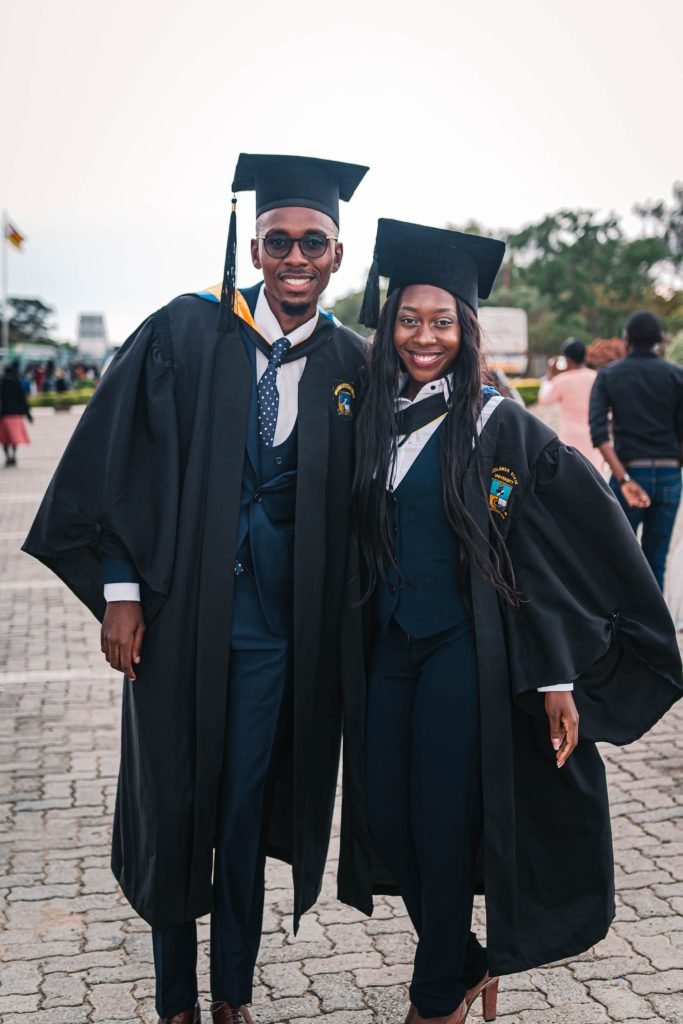
The F-1 student visa is a non-immigrant visa category that allows foreign nationals to enter the United States for the purpose of pursuing academic studies at accredited institutions. This visa is specifically designed for individuals enrolled in full-time academic programs, such as undergraduate or graduate degrees, language training programs, and vocational studies.
To be eligible for an F-1 visa, prospective students must first gain admission to a U.S. educational institution approved by the Student and Exchange Visitor Information System (SEVIS). Additionally, applicants must demonstrate their intent to return to their home country upon completion of their studies and possess the financial means to cover their educational and living expenses while in the United States.
One key feature of the F-1 visa is the requirement for students to maintain full-time enrollment throughout their academic program. Students are also allowed to work on-campus during their studies and may be eligible for Optional Practical Training (OPT) upon graduation, providing an opportunity for practical work experience in their field of study.
The F-1 visa is subject to strict regulations, and holders must adhere to the rules set forth by the U.S. Citizenship and Immigration Services (USCIS) to maintain their legal status in the country. It is a temporary visa, and students are expected to depart the United States upon the completion of their academic program or any authorized practical training period.
Overall, the F-1 student visa plays a crucial role in facilitating international education and cultural exchange by welcoming students from around the world to pursue academic opportunities in the United States.
The H-1B work visa is a non-immigrant visa category in the United States, designed for foreign nationals who possess specialized skills and expertise in occupations such as science, technology, engineering, and mathematics (STEM), as well as other fields that require specialized knowledge. This visa allows U.S. employers to temporarily hire foreign workers to fill positions that cannot be easily filled by the domestic workforce.
Key features of the H-1B visa include its focus on skilled professionals, typically requiring at least a bachelor’s degree or equivalent work experience in a relevant field. Employers seeking to sponsor H-1B visa holders must demonstrate that the foreign worker’s skills are essential to the company and that there is a shortage of qualified American workers for the specific role.
The H-1B visa is subject to an annual numerical cap, which can create competition among employers seeking to bring in skilled foreign talent. The cap is divided between regular H-1B visas and those set aside for individuals with advanced degrees from U.S. institutions. Once the cap is reached, USCIS (U.S. Citizenship and Immigration Services) conducts a lottery to select petitions for processing.
H-1B visa holders are typically granted an initial period of up to three years, which can be extended for a maximum total duration of six years. Extensions beyond the six-year limit are possible for certain individuals in the process of obtaining employment-based permanent residency.
While the H-1B visa provides opportunities for skilled professionals to work in the U.S., it has also been a subject of debate and scrutiny. Critics argue that the program may be susceptible to abuse, leading to the displacement of American workers or depressing wages. Proponents, on the other hand, emphasize the importance of attracting and retaining high-skilled talent to contribute to the U.S. economy and maintain competitiveness in the global market.
Navigating the H-1B visa process involves careful adherence to immigration regulations and documentation requirements. Prospective employers and foreign workers alike should seek legal guidance to ensure compliance with the latest policies and procedures associated with this visa category.
The J-1 Exchange Visitor Visa is a non-immigrant visa category that facilitates cultural exchange and mutual understanding between the United States and other countries. Administered by the U.S. Department of State, the J-1 visa program allows individuals to temporarily enter the U.S. for the purpose of participating in educational, cultural, and professional exchange activities.
The J-1 visa is often utilized by students, scholars, researchers, and individuals participating in various exchange programs, including but not limited to work and travel, au pair, intern, trainee, and professorial exchanges. The overarching goal of the J-1 program is to promote international collaboration and foster a diverse range of experiences for participants.
One distinctive feature of the J-1 visa is its emphasis on the exchange of knowledge and skills. Participants are expected to return to their home countries upon completion of the program to apply the experience gained in the U.S. to their professional and academic pursuits, thereby contributing to global understanding and cooperation.
To participate in the J-1 program, individuals must be sponsored by a designated exchange program sponsor, which could be an educational institution, government agency, or a private sector organization. These sponsors play a crucial role in ensuring that the program adheres to the guidelines set forth by the U.S. Department of State.
While the J-1 visa provides enriching opportunities for cultural immersion and personal growth, it is important for participants to comply with the specific program requirements and the terms outlined by their sponsors. Understanding the responsibilities and privileges associated with the J-1 visa is essential for a successful and rewarding exchange experience.
The K-1 Fiancé(e) Visa is a specialized visa category designed for foreign nationals who are engaged to U.S. citizens and wish to enter the United States for the purpose of getting married. Also known as the “fiancé visa,” this immigration option allows the foreign fiancé(e) to travel to the U.S. to marry their U.S. citizen petitioner within 90 days of arrival.
The application process for the K-1 Fiancé(e) Visa involves several steps. The U.S. citizen petitioner must file a petition with the United States Citizenship and Immigration Services (USCIS), providing evidence of the genuine nature of the relationship and the intention to marry. Upon approval of the petition, the foreign fiancé(e) can apply for the K-1 visa at the U.S. embassy or consulate in their home country.
One key requirement for the K-1 Fiancé(e) Visa is that the couple must have met in person at least once within the two years before filing the petition, unless meeting in person would violate cultural norms or cause extreme hardship. Additionally, both parties must be legally free to marry and intend to marry each other within the 90-day period of the foreign fiancé(e)’s entry into the United States.
Once in the U.S., the foreign fiancé(e) can marry the U.S. citizen petitioner. After marriage, the foreign spouse can then apply for adjustment of status to become a lawful permanent resident (green card holder).
It’s crucial for couples considering the K-1 Fiancé(e) Visa to thoroughly understand the requirements and process involved, as well as to seek legal advice to ensure a smooth and successful immigration journey. This visa category serves as a pathway for couples to reunite, commence their lives together, and navigate the subsequent steps in the U.S. immigration system.
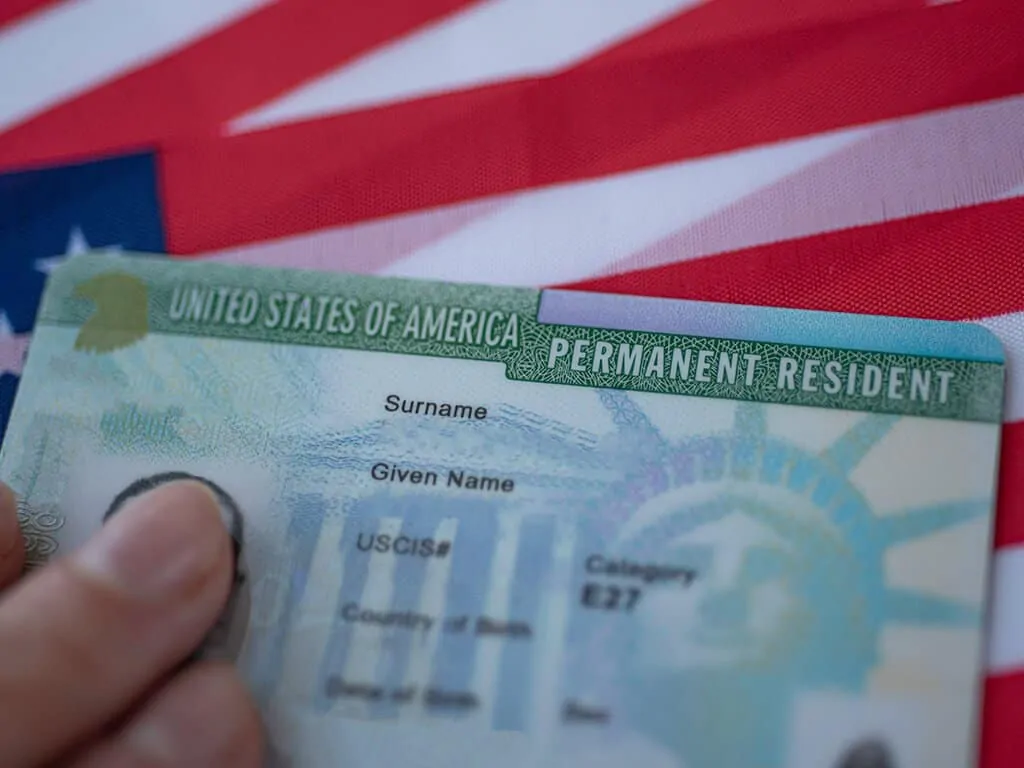
A Green Card, officially known as a United States Permanent Resident Card, is a coveted immigration document that allows foreign nationals to live and work permanently in the United States. The term “Green Card” is derived from the card’s historical color, which was green, although the card’s appearance may vary over time.
Obtaining a Green Card is a significant milestone for individuals seeking to establish permanent residency in the U.S. There are various avenues through which one can acquire a Green Card, including family sponsorship, employment-based preferences, refugee or asylum status, and the Diversity Visa (DV) lottery program.
Family-sponsored Green Cards are granted to individuals with close relatives who are U.S. citizens or permanent residents, while employment-based Green Cards are available for individuals sponsored by U.S. employers based on their skills and qualifications. The Diversity Visa lottery program, on the other hand, provides an opportunity for individuals from countries with low rates of immigration to the U.S. to apply for a chance to obtain a Green Card through a random selection process.
Holding a Green Card comes with numerous benefits, including the right to live and work permanently in the United States, access to social security benefits, eligibility for U.S. citizenship after a certain period, and the ability to sponsor family members for Green Cards.
It’s important to note that the process of obtaining a Green Card can be complex and may require careful navigation of U.S. immigration laws and regulations. Applicants often go through a thorough vetting process, and approval is subject to meeting specific eligibility criteria.
The Green Card serves as a symbol of lawful permanent residency, fostering cultural diversity and contributing to the nation’s history as a melting pot of people from various backgrounds seeking new opportunities and a brighter future in the United States.